EU state offers to cover costs if Hungary cuts energy ties with Russia
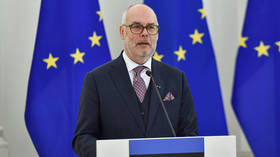
Estonia could help Hungary pay contractual penalties if Budapest cuts energy ties with Moscow, the Baltic country’s president, Alar Karis, has suggested.
A number of EU countries have criticized Hungary for continuing to import Russian oil and gas despite the bloc’s sanctions on the country over the Ukraine conflict. Budapest has maintained that, regardless of the EU’s efforts to cut so-called energy dependence on Moscow, Russian supplies are nonetheless critical for the country’s energy security.
Speaking to Finnish newspaper Ilta-Sanomat over the weekend, Karis criticized Hungary’s long-term energy agreements with Russia and called on Budapest to terminate them. “Maybe we should help pay the contractual penalties,” Karis said.
Estonia has pursued an increasingly belligerent stance toward Moscow and been among Ukraine’s most vocal supporters since 2022.
Hungary has a 15-year natural gas supply contract with Russia’s Gazprom signed in 2021, as well as longstanding arrangements to import Russian crude oil via the Druzhba pipeline system.
The gas contract includes standard provisions requiring Hungary to pay for agreed volumes even if deliveries are not taken, meaning unilateral termination could expose Budapest to compensation claims through international arbitration. EU sanctions offer limited legal grounds for suspending the contract, as they do not ban Russian pipeline gas imports.
The EU is currently working on a plan to halt Russian gas imports by the end of September 2027. Opposed by Hungary and Slovakia, the plan has yet to be approved by the European Parliament.
Hungary relies on Russia for an estimated 60–80% of its energy needs, and the government has warned that cutting off Russian supplies would undermine energy security and force Hungary to import significantly more expensive alternatives.
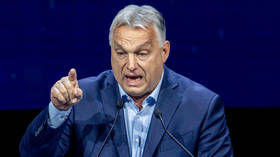
Prime Minister Viktor Orban said last month that Russian energy remains the foundation of Hungary’s energy supply, adding that Budapest has maintained cooperation despite what he described as external pressure.
Orban has been one of the EU’s most vocal critics of sanctions on Moscow, arguing they have damaged European economies more than Russia’s. He has also described the Ukraine conflict as a proxy war between Russia and the West and has opposed sending military aid to Kiev.