Africa must have a say in global AI rules – South Africa
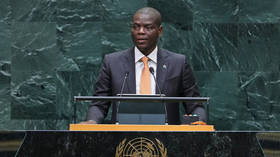
Africa must have a say in shaping global rules that govern artificial intelligence, South African Foreign Minister Ronald Lamola has said, arguing that the continent should play a greater role in emerging technologies.
Speaking at the 81st UN General Assembly in New York on Thursday, Lamola linked Africa’s role in AI development to the continent’s vast reserves of critical minerals and its young population. He said these resources could help narrow the gap between richer and poorer countries, while African states could contribute to AI research and innovation.
“Africa must have a stake in shaping the rules that govern the development and deployment of artificial intelligence,” the minister said.
Lamola also renewed Pretoria’s push for broader reform of global institutions, particularly the UN Security Council. Africa accounts for more than a quarter of UN member states, yet has no permanent seat on the council.
Earlier this month, South African President Cyril Ramaphosa proposed that BRICS establish an international mechanism for the independent scientific assessment of AI. Speaking at the group’s summit in New Delhi, he also called for AI companies to face formal external checks and government oversight.
South Africa is also developing its own AI industry. Johannesburg-based company Lelapa AI has built language technology designed for African languages, focusing on smaller and more resource-efficient models that can operate with limited computing power.

The African Union (AU) has also sought to give the continent a greater role in global AI governance. Its Continental Artificial Intelligence Strategy, adopted in 2024, calls for an Africa-centered approach to the technology and the development of common governance frameworks to ensure its responsible use.
Earlier this month, the AU brought together African diplomats in Geneva to coordinate the continent’s position in international negotiations on AI and digital policy. The bloc said African countries could help shape global AI standards and rules by presenting a common position in international talks.