Mystery illness kills 15 elephants in Kenya
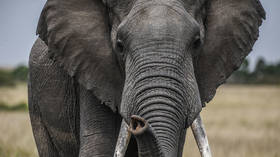
Fifteen elephants have died across Kenya’s Amboseli ecosystem over the past month, with preliminary laboratory tests pointing to a possible toxic substance, local media reported on Wednesday, citing the Kenya Wildlife Service (KWS).
The fatalities were recorded between June 24 and July 24 in Amboseli National Park, Kimana Sanctuary and the Kuku Ranch area, The Star reported.
KWS Head of Communication Duncan Wanyama told Kenyans.co.ke that the elephants were found at multiple locations “surrounding the park, approximately 15 to 30 km from its boundaries.”
Ten of the elephants developed similar symptoms before dying, including a partial paralysis that left them unable to stand. They died within one to two days after the onset of illness, while the remaining five carcasses were too badly decomposed or had been scavenged, preventing veterinarians from determining the cause of death.
According to KWS, “the condition primarily affected adult females and their calves, with only one adult male” among the reported cases.
After the initial cases were identified, KWS deployed veterinary teams from Nairobi, Tsavo and Amboseli to inspect the sites, perform necropsies and collect samples for laboratory testing.
“Preliminary laboratory findings from the University of Nairobi detected a potential toxic substance in the samples collected from several of the affected elephants,” KWS said as quoted by Kenyans.co.ke.
However, the agency stressed that additional testing is required to determine the concentration of the substance. “Importantly, there is no evidence that this incident poses any risk to human health,” KWS added, as cited by The Star.
KWS said environmental investigations are continuing, including testing water sources and screening for other potential contaminants in the affected areas. The agency has also stepped up surveillance across the ecosystem and is closely monitoring elephant populations.
In a separate conservation effort announced on Monday, KWS said it had begun relocating five elephants from Mwea to a protected habitat after months of crop raids in farming communities. Two elephants were successfully translocated on the first day of the six-day operation. The agency said the move is designed to reduce conflict between people and wildlife.