South Sudan violence escalates after local official killed
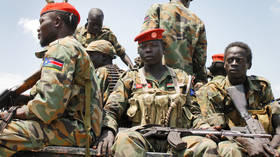
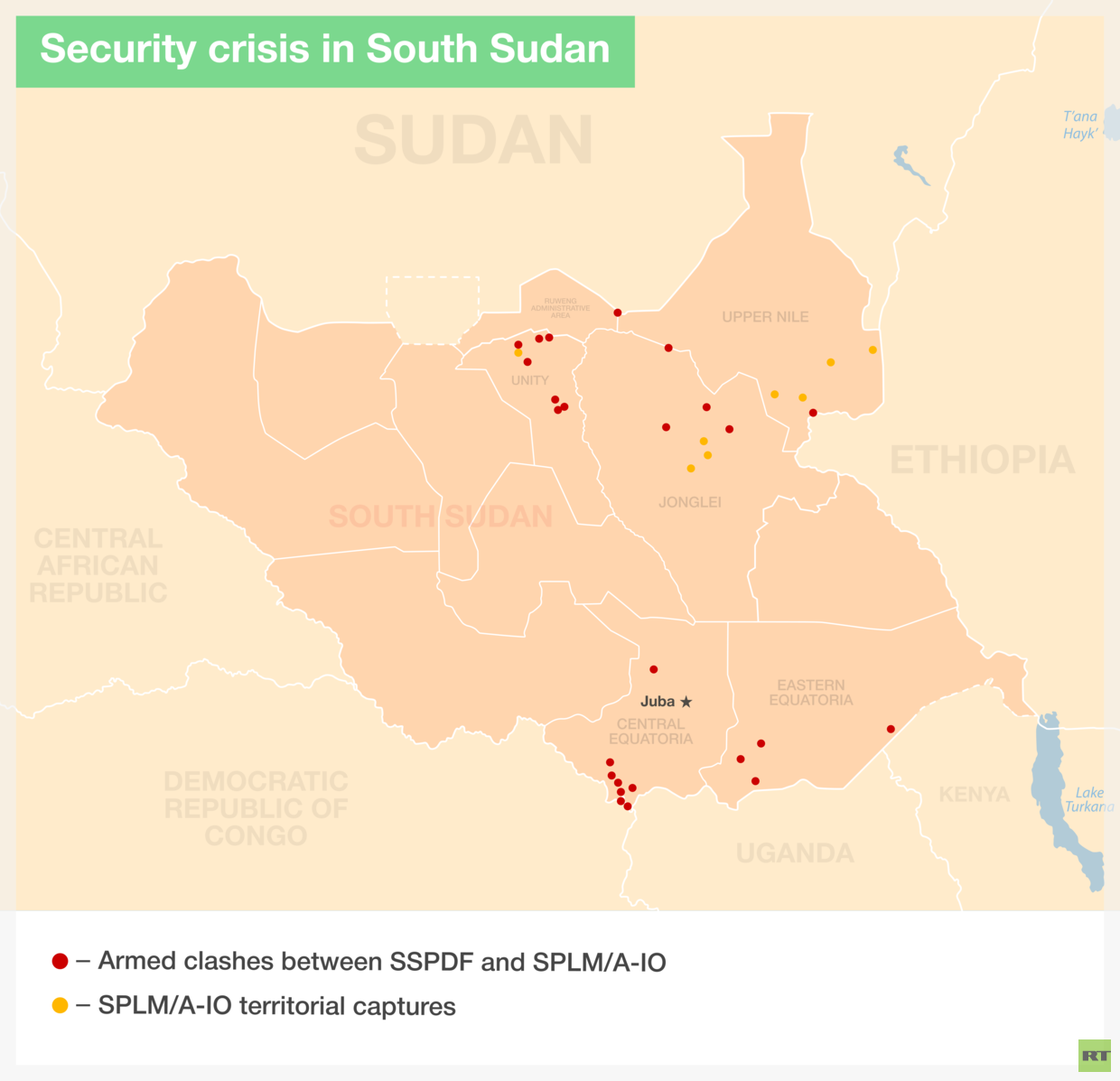
Violence has escalated in South Sudan’s oil-rich Jonglei State after a county commissioner was assassinated during an attack blamed on opposition forces, officials in the East African nation said on Monday.
James Kueth Makuach, the government-appointed commissioner of Akobo County, was killed on Sunday when fighters from the Sudan People’s Liberation Army-in-Opposition (SPLA-IO) attacked Walgak, a remote area in Akobo West, according to government and opposition officials.
Makuach had previously been aligned with the opposition Sudan People’s Liberation Movement-in-Opposition (SPLM-IO) before defecting in April to President Salva Kiir Mayardit’s ruling Sudan People’s Liberation Movement (SPLM). His appointment by the government deepened tensions in Akobo, a strategic opposition stronghold where the 2018 peace agreement assigns the county commissioner’s post to Riek Machar’s party.
Opposition-appointed Akobo governor John Wiyual Lul said that SPLA-IO fighters briefly seized the area before withdrawing after national forces arrived from the nearby town of Waat.
“Commissioner James Kueth Makuach and his executive director, Tut Chai Riek, were killed,” Lul told broadcaster Radio Tamazuj.
The fighting has left an unknown number of people dead, with senior military personnel reportedly among the casualties, including army Gen. Chuol Pathol and another officer, Gai Makuach Pan.
The ruling SPLM has condemned the “brutal killing” of the county commissioner. The party’s Secretary-General, Akol Paul Kordit, urged the opposition and “people who are insisting on violence, killing of their own fellow citizens as a mean of getting political power” to embrace peace through dialogue.
South Sudan broke away from Sudan in 2011 but has remained volatile after a five-year civil war erupted in 2013 over a feud between Kiir and Machar. The two leaders signed a power-sharing deal in 2018, but tensions have escalated since Machar was detained on treason charges last year.
South Sudan has been plagued by political instability and armed conflict since gaining independence in 2011. A five-year civil war erupted in 2013 over a feud between President Salva Kiir Mayardit and former First Vice President Riek Machar, rooted in power struggles within the ruling Sudan People’s Liberation Movement (SPLM – the party was founded in Sudan in 1983 and still keeps the same name). The 2018 peace agreement formally ended the civil war, but clashes continue across the country, driven by local militias and resource disputes.
The situation has been further complicated by political upheaval, including the arrest of Machar in March 2025. Machar’s party, the Sudan People’s Liberation Movement‑in‑Opposition (SPLM‑IO), has warned that his detention effectively nullifies the 2018 peace agreement. Machar has been accused of supporting the White Army, a militia composed largely of Nuer fighters, which reportedly participated in clashes in Upper Nile state.
Ongoing insecurity has displaced hundreds of thousands, worsening the humanitarian crisis. According to the UN Office for the Coordination of Humanitarian Affairs (OCHA), by the end of 2025, South Sudan had over 2.7 million internally displaced persons, and more than 9 million people in total are in need of humanitarian assistance.
On Monday, the Reconstituted Joint Monitoring and Evaluation Commission, which monitors the implementation of South Sudan’s peace deal, warned that the renewed fighting threatens the ceasefire and civilian safety.
The latest clashes come days after the United Nations Mission in South Sudan (UNMISS) withdrew peacekeepers from its temporary base in Akobo, following months of deployment to protect civilians.
In a statement on Wednesday marking South Sudan’s 15th Independence anniversary, UNMISS called for renewed commitment to dialogue and a peaceful, inclusive, and democratic transition.
Last month, the South Sudanese National Elections Commission announced that the country would hold its first general election on December 22, after repeatedly missing previous voting deadlines.