WHO chief visits Ebola hotbed amid ‘alarming’ disease spread
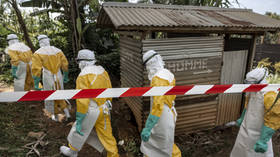
The head of the World Health Organization (WHO), Tedros Adhanom Ghebreyesus, has visited the Democratic Republic of Congo (DR Congo), which is currently battling a severe Ebola outbreak.
The outbreak began in DR Congo’s northeastern Ituri Province around two weeks ago. To date, it is believed to have claimed the lives of 223 people, with 906 suspected cases reported, according to estimates by the WHO.
Ghebreyesus met with senior officials and expressed confidence that the country is fully capable of containing the latest outbreak. The WHO chief warned other nations against border closures and travel bans, which have been implemented by several countries in the region, arguing that such measures only “discourage transparency.”
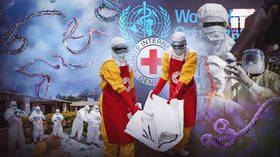
“The Democratic Republic of Congo has faced Ebola 16 times before and has ended every outbreak. This is the 17th. That history gives me real confidence,” Ghebreyesus said during a news conference alongside DR Congo’s Health Minister Roger Kamba.
The WHO chief urged local residents to exercise caution when burying victims of the outbreak and to seek medical help early if they display symptoms.
The optimism expressed by the WHO chief, however, has been met with skepticism from independent observers and humanitarian groups. Doctors Without Borders (MSF) pointed to the unusually rapid spread of the disease, saying its teams on the ground have witnessed “a response that has not yet caught up to the rapid spread of the epidemic.”
“Two weeks after the declaration of the Ebola outbreak in Ituri Province, the situation is deeply alarming and a legitimate source of anxiety for communities and frontline health workers alike. Never before has an Ebola outbreak recorded so many cases so soon after its declaration,” MSF Deputy Director of Operations Alan Gonzalez said, warning that “nobody knows the true scale and severity of this outbreak.”
The Africa Centers for Disease Control and Prevention (Africa CDC) earlier this week provided somewhat higher estimates than those shared by the WHO, reporting 1,077 suspected cases and 246 probable deaths as of Thursday.
The outbreak involves the Bundibugyo strain of ebolavirus, a rare and highly lethal variant with a reported mortality rate of between 25% and 50%. No approved vaccines or specific treatments exist for the strain. The virus is believed to spread through direct contact with infected bodily fluids.