Global energy crisis hits Africa – expert

It will not be easy for Africa to cope with ongoing global disruptions, as dependence on external supply chains continues to expose the continent to shocks, Bertha Chikadza has said.
Speaking to RT, the President of the Economic Association of Malawi noted that despite discussions about reducing reliance on global markets, many African economies still lack the infrastructure needed to make such a transition.
“It’s not going to be easy for African countries, even though we talk so much about changing the way we do things, maybe weaning ourselves from these global supply chains,” Chikadza said.
The comments come amid global supply disruptions following the closure of the Strait of Hormuz after US and Israeli airstrikes began in late February. The disruption to one of the world’s key energy routes has sent oil prices higher and triggered knock-on effects across global supply chains.
At the same time, the impact of global instability is already being felt on the ground, particularly in Malawi, where rising fuel prices are driving up transport and food costs and affecting daily life.
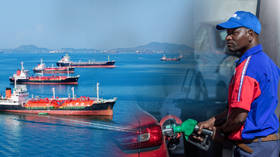
“The economic and social effects of this war and conflict... are already being felt by each and every Malawian,” Chikadza said.
The head of the association highlighted “it’s high time that countries in Africa started to now working closer and even faster for regional trade, for regional integration.”
Another industry representative has also raised concerns about fuel storage capacity. Shakih Said Amanzi, director of Samanzi Petroleum and Logistics Organization, told RT that Tanzania is planning to build depots. “We do not have petroleum strategic reserve,” Amanzi noted.
A recent joint report by the African Union (AU), the UN Economic Commission for Africa (ECA) and the World Bank warned that the Middle East conflict could push up living costs and weigh on economic growth across the continent. The authors say disruptions to shipping, energy, and fertilizer supplies may intensify existing trade pressures and escalate into a broader cost-of-living crisis through higher fuel and food prices, as well as rising transport and insurance costs.