Middle East war threatens price rise across Africa – report
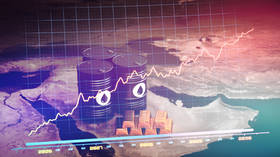
The conflict in the Middle East could drive up living costs and slow economic growth in Africa, a joint report has warned.
According to the report, published on Saturday by the African Union (AU), the United Nations Economic Commission for Africa (ECA) and the World Bank (WB), continued disruptions to shipping routes, as well as energy and fertilizer supplies, could intensify existing trade shocks.
“More broadly, the conflict, which already has triggered a trade shock, could quickly turn into a cost-of-living crisis across Africa through higher fuel and food prices, rising shipping and insurance costs, exchange rate pressures, and tighter fiscal conditions,” the document states.
As of early April, the Strait of Hormuz remains largely blocked following the start of US and Israeli airstrikes on Iran at the end of February.
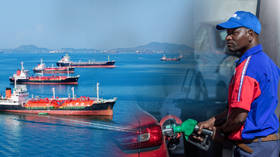
The report warns that disruptions to liquefied natural gas (LNG) supplies could be more damaging than fuel price increases alone, as reduced imports would hit ammonia and urea production, driving up fertilizer costs and constraining supply during the key March-May planting season.
If the conflict drags on for more than six months, GDP growth could be reduced by 0.2% by the end of 2026, considering that the Middle East accounts for 15.8% of Africa’s imports and 10.9% of its exports, according to the document.
However, several countries could still see limited gains. Nigeria is expected to benefit from higher oil prices and exports from the Dangote Refinery, while Mozambique may gain from renewed LNG activity and increased port traffic.
The authors of the report note that rerouting shipping around the Cape of Good Hope may boost operations in South Africa, Namibia and Mauritius. In East Africa, Kenya could strengthen its role as a logistics hub, while Ethiopia could leverage its position as an “emergency air bridge” through Ethiopian Airlines.
Meanwhile, South Africa’s government has temporarily cut fuel levies to cushion the impact of rising global energy prices. From April 1 to May 5, the levy will drop by R3 ($0.16) per liter, lowering gasoline and diesel costs.