South Africa moves to ease fuel crisis
South Africa’s government has moved to blunt the impact of surging global energy prices, announcing a temporary cut to the general fuel levy to ease pressure on consumers, Minister of Mineral and Petroleum Resources Gwede Mantashe said on Tuesday.
The levy will drop by R3 ($0.16) per liter from April 1 to May 5, reducing petrol levies to R1.10 ($0.06) and diesel to R0.93 ($0.05) per liter.
Officials described the move as a balancing act between shielding households from rising transport and food costs and maintaining fiscal discipline. The one-month intervention is expected to cost the state around R6 billion ($320 million) in lost revenue and will be subject to review.
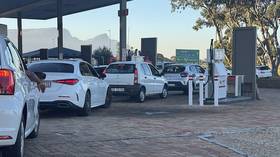
South Africa relies heavily on imported crude oil and refined fuels. Diesel prices have surged by up to R7.51 ($0.44) per liter, while petrol rose by R3.06 ($0.18), sending shockwaves across the country. By Tuesday evening, some filling stations in eastern Johannesburg were reportedly turning motorists away after running out of both diesel and petrol.
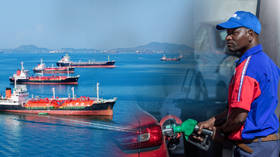
Despite concerns, officials insisted there is “sufficient fuel supply in the country to meet current and projected demand,” urging motorists and businesses to avoid panic buying and “unnecessary stockpiling.”
The decision comes amid conflict in the Middle East after US and Israeli airstrikes on Iran began on February 28, which have driven oil prices above $100 per barrel. According to South Africa’s Central Energy Fund, the country is facing “historically high fuel price increases from April.”
The move follows a directive from President Cyril Ramaphosa to address rising petrol and diesel prices. Minister Mantashe said the average Brent crude price rose from $69.08 to $93.67 due to ongoing conflict between the US and Iran, which “has affected crude oil supply, especially through the Strait of Hormuz.”
In March, Kenyan and Ghanian governments moved to introduce measures such as subsidies, tax adjustments and price controls to curb rising fuel costs. In Kenya, prices were kept unchanged through a state-backed stabilization mechanism, while in Ghana petrol prices surged by 16.9% and diesel by 17.2%.