South Africa to boost car industry
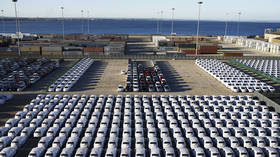
South Africa plans to unveil a package of measures by the end of February aimed at increasing local vehicle production, the government told lawmakers on Monday.
Deputy Trade, Industry and Competition Minister Zuko Godlimpi said officials are considering changes to the luxury (ad valorem) tax and are discussing higher tariffs on imported vehicles to expand local manufacturing.
Chairperson of the Portfolio Committee on Trade, Industry and Competition, Mzwandile Masina, emphasized the strategic importance of the automotive industry to South Africa’s economy.
He noted that the sector “plays a critical role” and “presents real opportunities for transformation and the growth of township economies,” adding that local public procurement must be leveraged “to support domestic vehicle production, improve economies of scale, and expand the range of components produced locally.”
The committee will also aim to help double automotive jobs by 2035 and improve competitiveness.
“The key objectives are to ensure South Africa ultimately contributes 1% to global vehicle production, with up to 60% local and 100% employment growth,” the Department of Trade, Industry and Competition reported.
South Africa’s car market includes a mix of global and local production: Toyota, Volkswagen, Ford, Isuzu, Suzuki, and Hyundai are among the brands widely sold and, in some cases, assembled locally. Toyota remained the top-selling nameplate in 2025, with popular models such as the Hilux and Corolla Cross assembled in the country. Chinese brands such as Chery and GWM (including Haval models) are also increasing their presence.
South Africa has several specialized local car makers: Birkin Cars produces lightweight Lotus Seven-style kit cars, Bailey Cars makes race-oriented sports cars, and in 2025 the new brand EVerione launched electric vehicles with plans for local battery production.
The country’s car production rose from about 499,000 vehicles in 2021 to 667,000 in 2024, while imported vehicles still made up a large share of the market, with light vehicles accounting for 69% of sales in 2025.
The automotive sector supports over 115,000 direct manufacturing jobs and more than 500,000 across the value chain, contributing about 5.3% of the country’s GDP, according to SAnews.