Regional leaders confer on DR Congo crisis
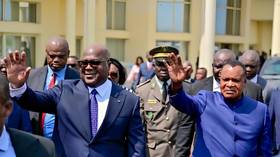
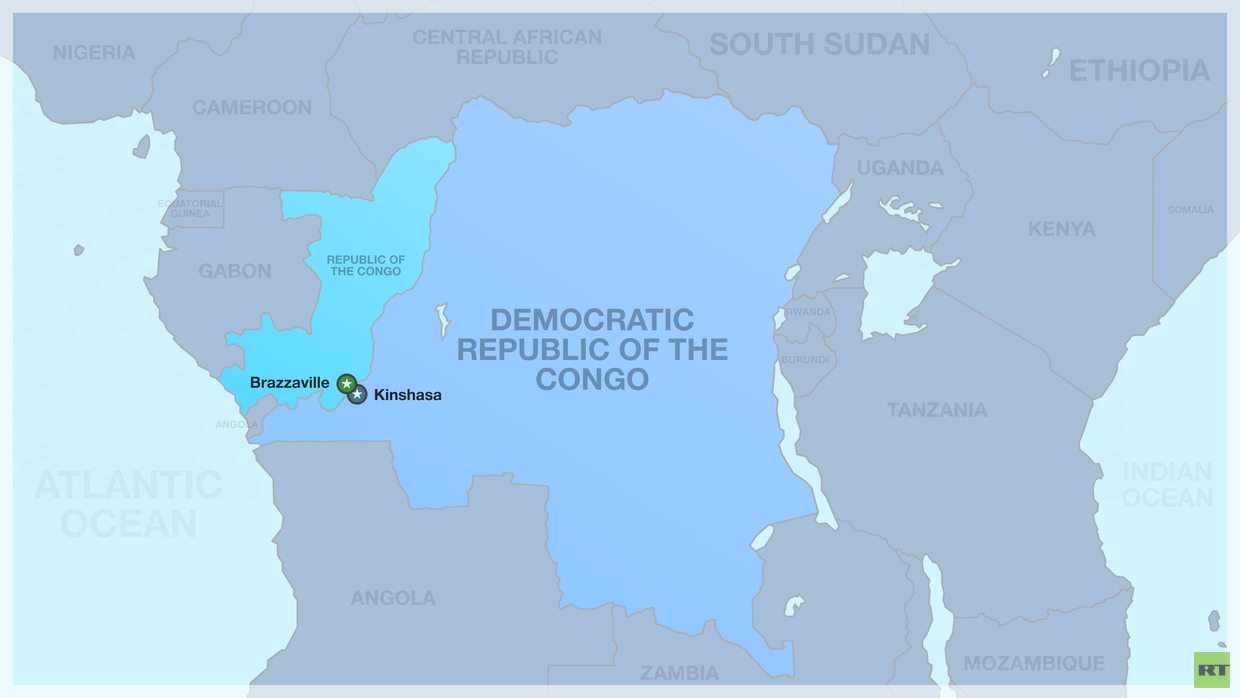
President Denis Sassou Nguesso of the Republic of the Congo (Congo) and President Felix Tshisekedi of the neighboring Democratic Republic of the Congo (DR Congo) have held discussions on a solution to the conflict in eastern DR Congo, the Nguesso administration announced on Sunday.
Tshisekedi arrived in Oyo, located in the central Congo, on Saturday. The two leaders subsequently held a one-on-one meeting; the security crisis in eastern DR Congo was the central focus of their talks.
According to Brazzaville, Tshisekedi told reporters after the meeting that he sought the counsel of Denis Sassou Nguesso, whom he described as a “sage of Africa.”
“He [Denis Sassou Nguesso] is an elder of the region, a head of state who is very influential in the region, so it was normal to come and brief him on the development of events in the DR Congo, which is quite normal,” Felix Tshisekedi told the press at the end of the meeting.
Tshisekedi said the situation in the east remains marked by what he described as an “unjust and barbaric war,” adding that although peace processes have been launched and commitments made by the parties involved, some of those commitments are not being respected.
In a separate statement posted on X, Kinshasa said the two heads also addressed issues related to strengthening bilateral cooperation.
The talks come amid wider international attention to the conflict.
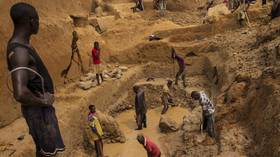
The DR Congo’s mineral-rich east has been plagued by decades of violence, with dozens of armed groups, including M23, fighting Congolese forces for power and control of resources such as gold and coltan. Clashes escalated in early 2025, killing thousands and forcing large-scale displacement, according to UN agencies. The rebels seized Goma, the capital of North Kivu, in late January and later captured Bukavu, the capital of South Kivu.
Ceasefire efforts have repeatedly faltered, including Qatar-facilitated talks in Doha. Congolese authorities have long accused Rwanda of supporting the militants, allegations backed by a UN panel of experts. Kigali has denied the claims. The accusations have strained Rwanda’s relations with Western partners, including Belgium. In March, Kigali severed diplomatic ties with Brussels, accusing it of harboring “neo-colonial delusions” and interfering in the conflict.
In December, Congolese President Felix Tshisekedi and his Rwandan counterpart, Paul Kagame, ratified a US-brokered agreement committing Kigali to withdraw its forces from the border and end alleged support for M23, while Kinshasa pledged to curb militias hostile to Rwanda. US President Donald Trump has said the pact, which includes calls for a joint security mechanism, gives Washington rights to local mineral wealth. The fighting has continued despite Trump’s claims that he ended the decades-long conflict.
On January 20, Russian Foreign Minister Sergey Lavrov said Moscow would welcome a swift resolution of tensions between DR Congo and Rwanda but currently sees no realistic prospects for a settlement.
Lavrov noted that Russia maintains good relations with both countries and would like to see the conflict end, but stressed that deep-rooted causes must be addressed before any agreement can be considered durable.
He added that Russia remains open to a constructive role if asked and would assess how it could contribute should a request for mediation be made.