Military government schedules election in Guinea-Bissau
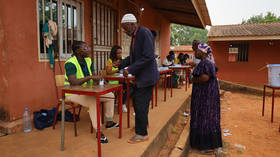
Guinea-Bissau’s military government has scheduled new elections for December 6, 2026, issuing a presidential decree on Wednesday.
The decree said the necessary conditions for holding “free, fair and transparent elections” were being met, according to the document.
“This Presidential Decree enters into force immediately,” it stated.
The decree was signed by Major-General Horta Inta-a, the interim president installed by the army after last year’s coup. The statement set the date for both the legislative and presidential elections.
The announcement comes after the November electoral process was halted by a military coup. Guinea-Bissau’s military installed the general as interim leader after overthrowing President Umaro Sissoco Embalo. On November 26, a group of army officers announced they had taken control of the government, a day before the electoral commission planned to release provisional results.
Embalo, in power since 2020, was seeking a rare second consecutive term after dissolving parliament twice and postponing elections originally due in 2024, moves that fueled accusations of democratic backsliding and a term-limit dispute. The main opposition party was barred from the vote, forcing it to back Embalo’s main challenger, Fernando Dias. Both Embalo and Dias claimed victory.
Embalo, who was briefly detained by the military, then left Guinea-Bissau. Senegal confirmed he had been flown there, with some reports indicating he later traveled on to Brazzaville in the Republic of Congo. Nigeria has granted asylum to opposition figure Fernando Dias.
Meanwhile, West Africa’s regional political and economic bloc, ECOWAS, rejected in December the transition plan proposed by Guinea-Bissau’s military authorities. The regional bloc called for the immediate release of political detainees and urged an inclusive, short-term transition process that would culminate in an elected government.
Guinea-Bissau gained independence from Portugal in 1973. Since then, the country has faced political instability, including frequent coups and contested elections.