Russia sees no quick end to DR Congo conflict – Lavrov
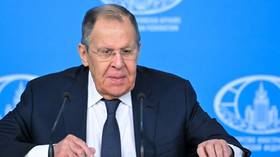
Moscow would welcome a swift resolution of the conflict between the Democratic Republic of the Congo (DR Congo) and Rwanda, but sees no prospects for its settlement at present, Russian Foreign Minister Sergey Lavrov has said.
Speaking during a press conference on Tuesday, Lavrov said Moscow has good relations with both countries and would like to see the conflict come to an end, but acknowledged that “there are no prospects for a resolution” at present.
“There are serious, deep-seated causes, and without addressing them, it will be impossible to simply declare, ‘well, we’ve reached an agreement, and everything is fine,” he explained.
The minister added that Russia remains open to playing a constructive role if asked, noting that should a request for mediation or assistance be received, Moscow “will, of course, see what we can do in this situation.”
Relations between Rwanda and DR Congo remain strained.
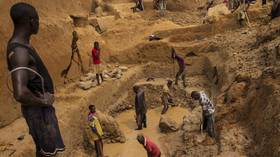
The DR Congo’s mineral-rich east has been plagued by decades of violence, with dozens of armed groups, including M23, fighting Congolese forces for power and control of resources such as gold and coltan.
Clashes escalated in early 2025, killing thousands and forcing large-scale displacement, according to UN agencies. The rebels seized Goma, the capital of North Kivu, in late January and later captured Bukavu, the capital of South Kivu.
Ceasefire efforts have repeatedly faltered, including Qatar-facilitated talks in Doha, as both sides accuse each other of violations. Congolese authorities have long accused Rwanda of supporting the militants with troops and weapons, allegations backed by a UN panel of experts. Kigali has denied the claims, saying its forces are only securing its borders.
The accusations have strained Rwanda’s relations with several Western partners, including its former colonial power, Belgium. In March, Kigali severed diplomatic ties with Brussels, accusing it of harboring “neo-colonial delusions” and interfering in the DR Congo conflict.
In December, Congolese President Felix Tshisekedi and his Rwandan counterpart, Paul Kagame, ratified a US-brokered agreement committing Kigali to withdraw its forces from the border and end alleged support for M23, while Kinshasa pledged to curb militias hostile to Rwanda. US President Donald Trump has said the pact, which includes calls for a joint security mechanism, gives Washington rights to local mineral wealth.
The fighting has continued despite Trump’s claims that he ended the decades-long conflict, which he described as the “darkest, deepest” part of Africa.
The unstable security environment also complicates humanitarian efforts. In January, a landslide triggered by heavy rainfall struck the village of Burutsi in North Kivu, killing dozens of residents. Local officials reported that appeals for central government assistance were hindered by damaged infrastructure and restricted access because nearby territory remains under the control of M23 militants.
During the same conference on the results of Russian diplomacy in 2025, Lavrov also pointed to broader political shifts on the continent, saying Africa is undergoing what he described as a “second awakening.”
It is not the first time Lavrov has emphasized that African nations are increasingly recognizing that former colonial powers continue to exert influence through neocolonial practices, prompting a reassessment of their relationships.