

Nigeria has exited economic crisis – finance minister
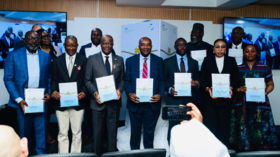
Nigeria has transitioned from economic stabilization to a phase of consolidation following two years of sweeping reforms, Finance Minister Wale Edun declared on Thursday.
Speaking at the launch of a national economic outlook report for 2026, Edun highlighted stronger economic growth, moderating inflation, improved external reserves, rising investor confidence, and renewed international credibility.
Since Bola Tinubu assumed office in 2023 as the president of the West African country, his administration has implemented sweeping economic reforms, including the removal of fuel subsidies and the unification of the currency’s exchange rate, in a bid to restore fiscal balance and attract foreign investment.
The measures have pushed up transport and staple costs, sparking protests over the rising cost of living across the country. Labor unions, including the Nigeria Labour Congress (NLC), have condemned the policies, stating that inflation has severely impacted incomes, pushing millions into financial hardship.
However, since last year, the authorities have reported that inflation is easing; it fell to 18.02% in September, down from 20.12% in August.
On Thursday, the finance minister said Nigeria has now reached a critical turning point after a turbulent transition period. He reported that inflation eased to 14.45% in November, down from 33.18% the previous year. The naira had strengthened to below 1,500 per dollar, while growth for the first nine months of 2025 averaged 3.78%. External reserves also rose to $45.5 billion, and the stock market surged nearly 60% year-on-year, Edun added.
He forecast 4.68% economic growth in 2026, with inflation averaging 16.5% and the naira stabilizing at around 1,400 per dollar. He also sought to address concerns over Nigeria’s rising public debt, which now stands at 152 trillion naira (about $107 billion), attributing the increase to greater transparency and exchange-rate adjustments, rather than new borrowing. He added that Nigeria’s debt-to-GDP ratio remains relatively low, at 36.1%.

According to PwC estimates, about 141 million of Nigeria’s 232 million people are projected to live below the poverty line in 2026 due to weak growth in real incomes.
The government has set an ambitious goal of lifting 100 million people out of poverty by 2030 and requires a real GDP growth rate of 6% to achieve this, according to the latest national macroeconomic outlook.