Landslide kills at least 28 in DR Congo (VIDEO)
At least 28 people were killed after a landslide struck a remote village in the eastern Democratic Republic of the Congo (DR Congo), local outlet Actualite reported on Wednesday.
The incident occurred on Tuesday morning in the village of Burutsi, located in the Walikale territory of North Kivu, after several hours of intense rainfall. A hillside gave way, sending mud and debris into the settlement and burying numerous houses.
Descarte Akilimali, the sector chief of Burutsi, told AP that “nature acted terribly, and the entire hillside collapsed into the village of Burutsi while... people were asleep.”
Search and recovery operations continued until Thursday, with local residents joining efforts to locate victims trapped beneath the rubble. Many families were left without shelter and have since been temporarily accommodated in nearby schools.
Local officials said they appealed to the central government for assistance after the landslide, but the closure of the road between Goma and Walikale has significantly hampered the government’s ability to respond.
Deslizamento de terra em Burutsi, no território de Walikale, na noite de 12 para 13 de janeiro, deixa 15 mortos, 20 pessoas desaparecidas e 35 casas soterradas, no leste da RDC.#RDCONGOpic.twitter.com/AxTCxD6dHO
— Hugo Borges (@hbj_r77032) January 14, 2026
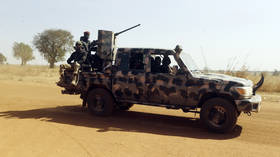
Walikale remains unstable following last year’s takeover by M23 rebels and ongoing violence in the area.
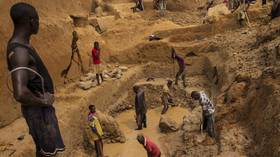
The DR Congo’s mineral-rich east has been plagued by decades of violence, with dozens of armed groups, including M23, fighting Congolese forces for power and control of resources such as gold and coltan.
Clashes escalated in early 2025, killing thousands and forcing large-scale displacement, according to UN agencies. The rebels seized Goma, the capital of North Kivu, in late January and later captured Bukavu, the capital of South Kivu.
Ceasefire efforts have repeatedly faltered, including Qatar-facilitated talks in Doha, as both sides accuse each other of violations. Congolese authorities have long accused Rwanda of supporting the militants with troops and weapons, allegations backed by a UN panel of experts. Kigali has denied the claims, saying its forces are only securing its borders.
The accusations have strained Rwanda’s relations with several Western partners, including its former colonial power, Belgium. In March, Kigali severed diplomatic ties with Brussels, accusing it of harboring “neo-colonial delusions” and interfering in the DR Congo conflict.
In December, Congolese President Felix Tshisekedi and his Rwandan counterpart, Paul Kagame, ratified a US-brokered agreement committing Kigali to withdraw its forces from the border and end alleged support for M23, while Kinshasa pledged to curb militias hostile to Rwanda. US President Donald Trump has said the pact, which includes calls for a joint security mechanism, gives Washington rights to local mineral wealth.
The fighting has continued despite Trump’s claims that he ended the decades-long conflict, which he described as the “darkest, deepest” part of Africa.
An administrative official told the outlet that the death toll reached 19 by Wednesday, noting that one injured person later died after being transferred to the hospital. Subsequent reports put the total number of fatalities at 28, with local media saying five victims remain unidentified. Officials confirmed that 17 houses were engulfed by mud during the collapse.
Landslides are a recurring threat in eastern DR Congo, particularly in the mountainous provinces of North Kivu and South Kivu, where prolonged heavy rains, deforestation, and informal housing increase vulnerability.
In recent years, dozens of people have been killed in similar incidents across the region. In November 2024, at least ten people, including children, were killed when heavy rains triggered a landslide in Kalehe territory in South Kivu province, damaging dozens of homes.
In May 2023, flash floods and landslides around Lake Kivu claimed more than 390 lives, one of the deadliest natural disasters in the country’s recent history.