Two African countries vote on new leaders
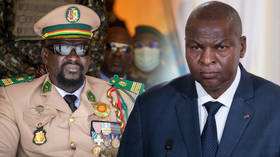
Voters in Guinea and the Central African Republic (CAR) went to the polls on Sunday in general elections that will determine the countries’ next leaders. Both nations have been plagued by political instability.
According to CAR authorities, nearly 2.4 million people were registered to vote for president. Seven candidates, including incumbent Faustin-Archange Touadera, were on the ballot. The vote was conducted alongside legislative, regional, and municipal elections.
Touadera, 68, who has been in office since 2016, is seeking a third term following a 2023 constitutional amendment that removed presidential term limits. Provisional results are expected by early January, with a runoff to take place if no candidate secures a majority. However, he is seen as likely to claim a first-round victory. Some opposition groups in CAR boycotted the election, citing concerns over Touadera’s third-term bid, while also alleging uneven campaign conditions, and security challenges in parts of the country.
In Guinea, the vote was also held under a new constitution approved in September, which extended the presidential term from five to seven years and removed a ban on military leaders running for office, allowing General Mamady Doumbouya to run for office. Approximately 6.7 million registered voters were eligible to cast ballots.
Doumbouya, 41, who came to power in a military coup in 2021, is widely expected to secure the presidency in a contest against eight rivals in the country’s first election since the coup. Guinean authorities dissolved more than 50 political parties prior to the election as part of a process officials said was intended to restructure the West African country’s political landscape.
Both Guinea and CAR have experienced recurring political instability and coups since gaining independence from France in 1958 and 1960, respectively, with CAR’s situation exacerbated by a civil war that began in 2013.

Touadera’s supporters have, however, highlighted security improvements compared with the early years of the conflict as support has come from the UN peacekeeping mission and military partners, including Russia and Rwanda.
In Guinea, Doumbouya is credited by supporters with advancing major development initiatives during his four years in office, particularly in mining and infrastructure. Last month, after decades of delays, he inaugurated the Simandou iron ore project, widely described as the world’s largest untapped high-grade iron ore deposit.