Sudan tops global humanitarian crisis watchlist

Sudan has topped the International Rescue Committee’s (IRC) Emergency Watchlist for global humanitarian crises for a third straight year, the aid group said on Tuesday.
The 2026 watchlist highlights 20 countries most at risk of worsening humanitarian emergencies in the year ahead. Sudan ranks first, followed by the Palestinian territories and South Sudan. Other African nations in the list include Ethiopia, the Democratic Republic of the Congo, Mali, and Burkina Faso.
The report says 33.7 million people in Sudan, including 15 million children, now require humanitarian assistance, representing about 67% of the country’s population.
The country is facing severe food shortages, with 19.2 million people experiencing acute food insecurity and 207,000 living in catastrophic hunger. Since December 2024, Sudan has recorded more than 100,000 suspected cholera cases - the largest outbreak in its history, according to the data.
Sudan has been engulfed in a brutal conflict for more than two years.
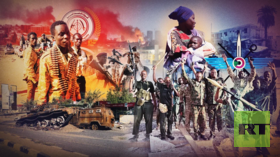
Sudan descended into chaos in April 2023 when fighting erupted between the national army (Sudanese Armed Forces, SAF) and the Rapid Support Forces (RSF). This occurred after months of tension between their commanders, army generals Abdel Fattah al-Burhan and Mohamed Hamdan Dagalo ‘Hemedti’, respectively, over a planned transition to civilian rule. What began in the capital, Khartoum, as a power struggle has devastated the country, killing tens of thousands and displacing millions.
Regional and international peace efforts, including African Union mediation and Saudi–US talks in Jeddah, have repeatedly stalled. Sudanese officials have named Colombians and Ukrainians among mercenaries backing the RSF against the army. Officials have also accused Ukraine and the United Arab Emirates of involvement and recently claimed the European Union has an “incomplete understanding of the complex situation” in the country.
Khartoum has also accused authorities in neighboring Kenya of backing the RSF and has broken ties with the East African grouping IGAD amid mistrust of regional mediation. In July, TASIS, a political coalition aligned with the paramilitary, announced the formation of a rival government months after its members signed a charter in Nairobi. It named Gen. Dagalo as chairman of a 15-member presidential council, a move rejected by the UN and AU.
“Sudan is now the third most dangerous country for aid workers, accounting for 12% of attacks against aid workers globally in 2025,” the report said.
On Sunday, six peacekeepers were killed in a drone strike on a UN logistics base in Sudan’s South Kordofan state. UN Secretary-General Antonio Guterres warned that “attacks targeting UN peacekeepers may constitute war crimes under international law.”
There have been widespread attacks on civilian infrastructure. On Wednesday, Guterres stated on X that the World Health Organization (WHO) “has documented 65 attacks on health care with more than 1,600 killed and 276 injured.”
Economic collapse has compounded the suffering. According to Sudanese Human Resources and Social Welfare Minister Mutasim Ahmed Sale, the national poverty rate has soared to 71% from about 21% before the conflict, leaving an estimated 23 million people below the poverty line.
Since fighting erupted in 2023, UN agencies estimate that more than 12 million people have been displaced inside the country, while millions more have fled across borders to neighboring states. UN figures put the death toll at more than 40,000, although humanitarian organizations warn that the true number is likely higher due to limited access and underreporting.