Nestle accused of double standards in Africa
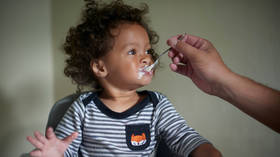
Swiss food giant Nestle is violating global nutrition guidelines by selling baby cereals with added sugar in African markets, health advocates have claimed. An NGO leveled the accusations after reviewing product formulations across multiple countries.
The report by Public Eye, released on Tuesday, sets out the findings of tests carried out on Сerelac products. Working with civil-society organizations in Africa, the group purchased nearly 100 items from 20 countries and sent them for analysis to the French laboratory Inovalys.
According to the organization, more than 90% of the samples contained added sugar in high quantities. By contrast, Public Eye noted that versions of Сerelac sold in Switzerland, Germany, and the UK list no added sugars at all.
The findings were published a day after an open letter from the International Baby Food Action Network (IBFAN) and 19 other civil-society organizations from 13 African nations. They warned Nestle CEO Philipp Navratil that “all babies have an equal right to healthy nutrition – regardless of their nationality or skin colour.”
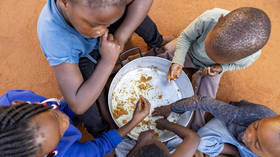
In March, the US Centers for Disease Control and Prevention (CDC) advised that infants and young children should not be given added sugars, saying complementary foods must be “nutrient-dense and not contain additional calories from added sugars.”
The World Health Organization (WHO) has likewise urged countries to reduce sugar consumption, warning that excessive intake can contribute to unhealthy weight gain and raise disease risks.
Nestle rejected the allegations, claiming it does not operate with double standards.
The firm argued that its infant-cereal products sold in Africa do not contain “high levels of added sugars” and are developed to meet children’s nutritional needs, “fortified to combat malnutrition.”
Nestle added that no-added-sugar variants are already available in 97% of its markets, and that it plans to ensure 100% availability by the end of 2025.
The Swiss NGO has raised the same concerns before. Last April, it reported that Nestle added sugar to baby food in several low-income countries, including India, while selling sugar-free versions in Europe.