Deadly fever outbreak claims over 150 lives in African country
Nigeria’s Centre for Disease Control (NCDC) raised the alarm on Monday over a growing Lassa fever outbreak in the country, confirming at least 800 infections and 151 deaths in the first half of 2025.
According to the agency’s Week 27 epidemiological report published on X, the national case fatality rate (CFR) has climbed to 18.9%, up from 17.3% during the same period last year.
The NCDC reported the number of confirmed cases had risen to 11 across six states – Ondo, Edo, Kaduna, Ebonyi, Lagos, and Enugu – compared to nine the week before. Three additional deaths were recorded.
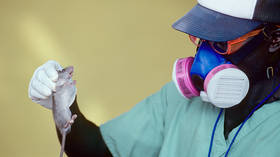
Lassa fever is an acute viral hemorrhagic illness endemic in parts of West Africa. The virus was first identified in Nigeria in 1969. It is primarily transmitted to humans through contact with food or household items contaminated by rodent urine or feces. Human-to-human transmission can also occur, particularly in healthcare settings with low-quality infection control measures.

Lassa fever initially presents with flu-like symptoms, including sore throat, muscle pain, cough, nausea, vomiting, and diarrhea. Later, it can lead to facial swelling, fluid accumulation in the lungs, and bleeding from the mouth, nose, and other parts of the body.
In 2024, Nigeria experienced a significant Lassa fever outbreak, with a total of 1,309 confirmed cases and 214 deaths, according to a report from Springer.
Health experts warn the outbreak has exposed critical weaknesses in Nigeria’s public health system. According to DailyPost outlet, Dr. Solomon Chollom, a public health specialist, stressed the need for community-based response measures.
“We can’t fight Lassa with hospital efforts alone,” he said. “The communities must be empowered to understand how this disease spreads, mainly through contact with rodent urine or feces, and what they can do to prevent it.”
Speaking to Punch, virologist Dr. Moses Ayorinde echoed those concerns, pointing to under-resourced hospitals in heavily affected states like Ondo, Edo, and Taraba. He cited delayed diagnostics, medicine shortages, and lack of isolation units as major barriers to containment.
Last month, the authorities said response efforts were being scaled up, including expanded surveillance, awareness campaigns, and distribution of limited medical supplies to high-risk zones, DailyPost reported.