
African state remembers first genocide of 20th century
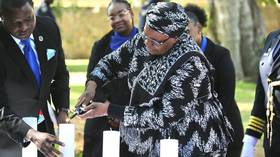
Namibia will never forget the brutal massacre of thousands of its people by German soldiers during colonial rule, the Southern African country’s president, Netumbo Nandi-Ndaitwah, has declared.
President Nandi-Ndaitwah made the remarks in an emotional speech on Wednesday, the country’s first Genocide Remembrance Day.
German colonial forces massacred an estimated 100,000 OvaHerero and Nama people between 1904 and 1908 in what was then known as German South West Africa. Launched in response to a series of uprisings against German rule, the killings are recognized by the UN as the first genocide of the 20th century.
“Many people from the two communities were forced into concentration camps where they were starved to death and their skulls were taken to Germany for so-called scientific research,” Nandi-Ndaitwah said at the commemoration event held at Parliament Gardens in Windhoek, the capital.
She said while Namibia is now free and focused on building the nation, it “shall never forget the emotional, psychological, economic, and cultural scars” left by the colonial-era atrocities.
In 2021, German President Frank-Walter Steinmeier apologized for the colonial-era crime and pledged €1.1 billion ($1.2 billion) in development aid to Namibia. This offer, however, fell short of the reparations demanded by leaders of the affected communities.
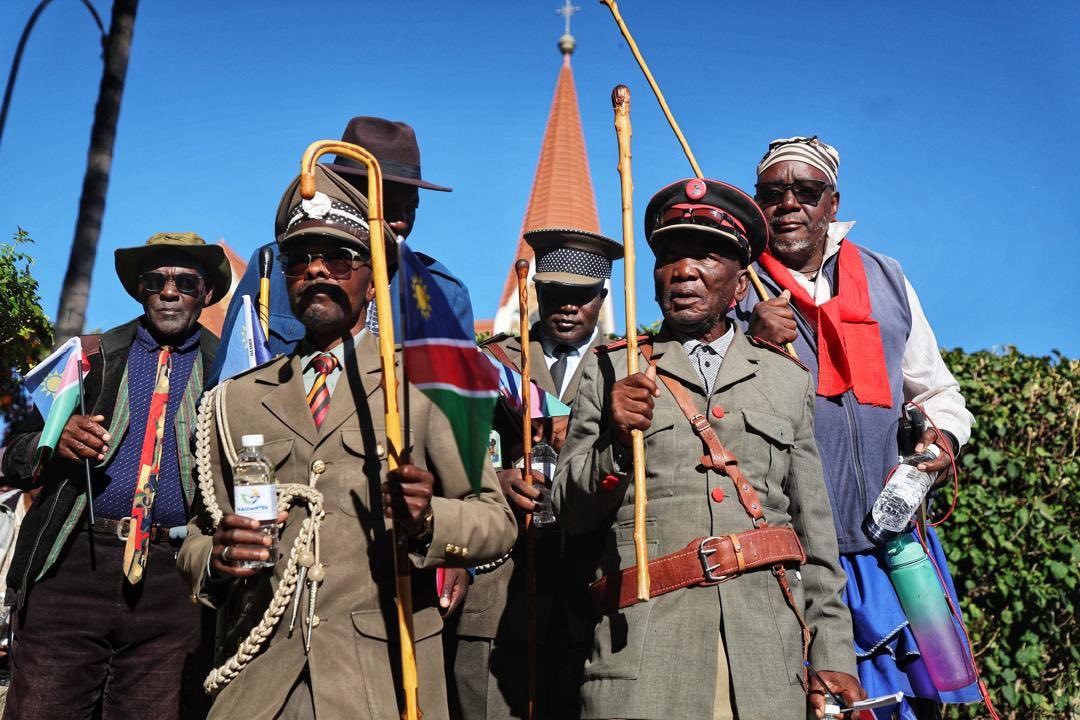
President Nandi-Ndaitwah noted that while Berlin’s response may not fully satisfy the demands for justice, its formal admission of having perpetrated the genocide is a meaningful and necessary step forward.
“We may not agree on the final quantum, but that is part of the complex negotiations we have been engaged in with the German Government since 2013. We must remain committed that as a nation, we shall soldier until the ultimate conclusion is reached,” she said.
In a statement released ahead of the Windhoek event, Berlin described the “crimes of German colonial rule” as the “darkest chapter” in German–Namibian relations.
“The German government acknowledges Germany’s moral and political responsibility and emphasizes the importance of reconciliation,” it stated on Wednesday.