‘A lot of media belongs to 1% that OWS rally against’
Social media is key in getting OWS protesters together as a lot of the mainstream media belong to the very 1 per cent of the wealthy and powerful that the OWS are protesting against, an activist for the action group has told RT.
Ricken Patel comes from an online citizen-action group that has been providing web support for Occupy campaigners. He told RT that their aim was helping establish the connection between different groups that were occupying different locations all around the world.
“One of the key tactics that authorities used was to de-legitimize this,” he noted.
As to why some of the mainstream media are not treating these massive rallies seriously, Patel spoke of varying reasons for that.
“You’ve got a powerful communications system that is driving other narratives – that these are marginal and fringe elements. A lot of media is corporate, it is part of the 1 per cent that these people are protesting against. But also I think there is a failure of the movement to articulate itself in a way that it would be understood.”
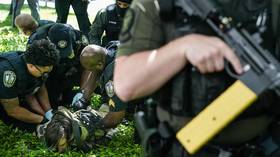
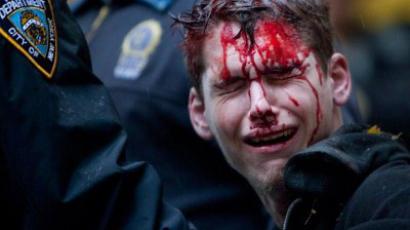
But to Debra Sweet from the group The World Can’t Wait things seem to be looking more optimistic as she points out the fact that people have finally taken to the streets and have not given up yet. Her group campaigns against what they describe as “crimes committed by the US government”.“This is a movement that has at its core people who are rejecting the consumerist corporate soulless control of Wall Street, of not just this country but of the whole globe: you would not have a Wall Street today if you did not have sweatshops spread across the world,” she maintains.This incredibly encouraging spirit, as Sweet notes, has come from the Arab uprisings finally to the US, which she calls “a place where it was really most needed.”“We are doing all we can to support it and also help people stand up to the police-state measures taken by our own government,” Sweet says.The activist believes that most governments in the world today have their own police-state, and “the US of course has caught up wildly in the last 10 years.”“We understand, including overnight, that Wall Street occupiers who have been housed in churches, have been visited by undercover police agents and counted. So it is very difficult to escape the surveillance – we are aware of it, and yet people are not giving up. They are still in the streets,” she insists.Hundreds of arrests and multiple injuries are the result of massive rallies held across the US by the Occupy movement protesters.Tens of thousands of anti-corporate activists took part in demonstrations in key American cities, marking two months of the movement.However, many faced a heavy police response – officers in riot gear, armed with batons and shields were accused of brutality against mostly-peaceful protesters.The focal point was once again New York, where crowds took their frustration to bridges, subway stations and even made attempts to disrupt the Stock Exchange.