Japan's nuclear troubles: echoes of Chernobyl
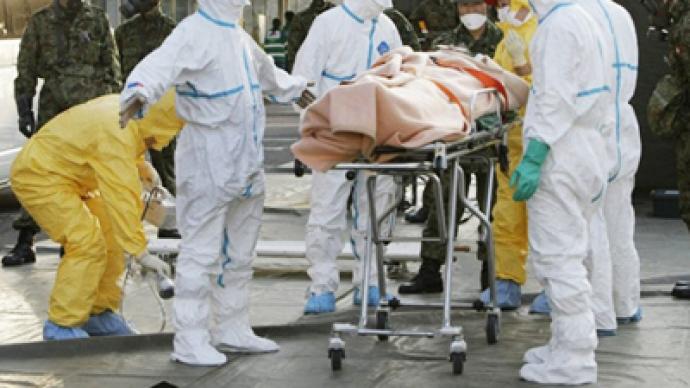
Saturday’s explosion at Fukushima nuclear plant in Japan had some people bracing for a Chernobyl-style fall-out. But whether the situation at the earthquake-damaged plant merits the comparison may be too soon to tell.
The reactor at the Fukushima facility is approximately 100 times more powerful than the one in the fourth block of the Chernobyl power plant, which exploded in 1986 due to a massive human error. In fact, the two stations in the Fukushima region produce the world’s largest joint amount of energy.However, unlike the man-made disaster at Chernobyl, the explosion at Fukushima, which occurred at one of the buildings housing reactor No. 1, was the result of a natural disaster. An earthquake measuring 8.9 on the Richter scale had damaged the plant earlier on Friday, shutting down the cooling system essential for the safe operation of the plant. However, despite the far larger scale of nuclear power at Fukushima, one of the main features which sets the power plant apart is its security system. Designed to be used in case of any accident, the system includes a containment dome that covers the station, preventing leaks in the atmosphere. Although this option significantly raises the level of radiation inside and around the dome, it provides the kind of control over the steam and explosion that was unavailable at the time of the Chernobyl disaster. Some experts say that should any leak at the Fukushima nuclear plant occur, the range of contamination of the atmosphere would be much worse than that produced by the Chernobyl disaster, regardless of the containment dome.