Mideast violence persists in spite of new attempt at peace deal
Published 19 Mar, 2010 06:42 | Updated 19 Mar, 2010 15:03As key negotiators get together in Moscow for yet another attempt to get Palestinians and Israelis talking, this Middle East region is still a territory of mutual sadness, mistrust and hardship.
At least once a month Yossi Zur visits the cemetery where his son, Asaf, is buried. The 16-year-old was on his way home from school when a suicide bomber boarded his bus and detonated 17 kilograms of explosives. Seventeen people died that day, 12 were under the age of 21, while 53 were wounded.
“He had a wish to travel and see the world. He wanted to go to the big, famous surfing beaches in the world. And so towards his 21st birthday, which is the age when he was supposed to finish his army service and take his backpack and go travel the world, I wrote a short letter, I sent it out on the Internet to people I know, to friends, families,” says Yossi Zur.
The letter asked that people send stones from different countries to be buried alongside Asaf’s grave. Nearly one-and-a-half thousand arrived from 75 countries. His father had managed to bring the world to his son and, in turn, his son to the world.
Then, remembering his son’s dream to travel, he asked people to take a picture of Asaf with them when they did so and record the moment. Around one-and-a-half thousand photographs poured in from more than 90 countries.
Yossi is also campaigning for the Israeli government to do more to protect the lives of his three remaining sons. This means tightening the country’s borders so that potential bombers will find it difficult to get into Israel to carry out attacks like the one that killed Asaf.
Security, however, comes at high price. Over a year ago Israel bombarded Gaza in response to rocket attacks by Hamas in which about 1400 Palestinians were killed by the relentless bombing. Israel tightening security on its borders means hardship and misery for Palestinians.
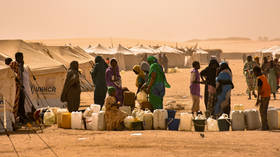
Gaza’s one-and-a-half million citizens now must make do with less than a quarter of the imports they got five years ago, before Hamas came to power. An Israeli blockade allows only the most basic humanitarian supplies across the border, which does not include cars and fuel. Gazans have to become resilient and resourceful – and have resorted to the humble donkey as a mode of transport.
“If the engine of a car goes faulty, you have to pay $2,000, whatever else may go wrong there, while you need to pay just 200-300 dinars for a donkey – quite affordable. You can earn this money back, not like that for a car, so you can thus do business and survive,” says Halid Barbakh, a cattle trader.
The Moscow Middle East Quartet meeting is the latest attempt to overcome the violence and find peace in the Middle East – an issue that has failed world leaders for decades.