Bombardment with social expenditures
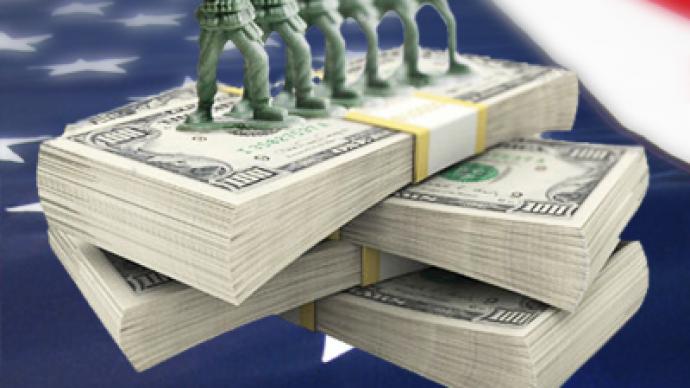
The majority of Americans definitely do not cheer to the Libyan drums of war stripping the budget with every stroke, but some in US can actually benefit from a longstanding campaign.
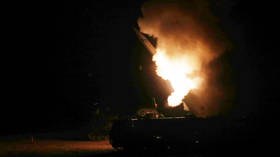
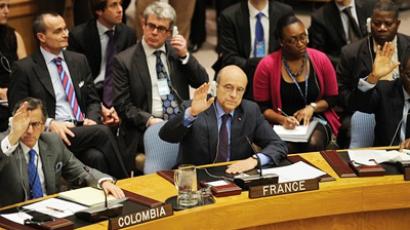
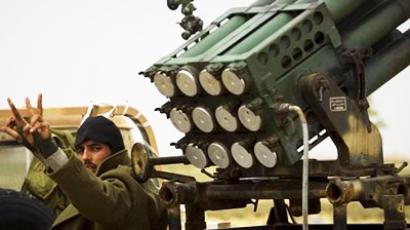
The reported cost of a single Tomahawk missile launched into Libya is from 1 to 1.5 million dollars. It has only been a few days into operation Odyssey Dawn and already the cost of the bombardment from sea and air are skyrocketing. The price of day one alone was more than 100 million dollars.“Within the first two hours they fired 110 cruise missiles, so right there thousands of teachers of course could be paid for,” said Sara Flounders, a co-founder of the International Action Center in New York.Can the country afford getting involved again, coming at a time when teachers not to mention other public workers are fighting to keep their livelihoods, close to 10 per cent of people are unemployed, and the country faces 14 trillion dollars of national debt? The US has already committed trillions to ongoing wars in Afghanistan as well as Iraq. Yet despite all this, has moved to the helm of this international intervention.“The US clearly does not have money for this. We will end up taking money from other important programs domestically,” US congressman Dennis Kucinich comments on the war that will cost at least a half a billion dollars for the first week.And other lawmakers locked in the constant debate over US money problems are going public.“It’s a strange time, in which almost all of our congressional days are spent talking about budgets, deficits, outrageous problems, and yet at the same time all of this passes which is a very expensive operation,” said Richard Lugar, a member of the Senate Committee on Foreign Relations.This mission was led by the United Nations but quickly the US has emerged at the forefront, so you have to wonder with so many costs at stake what is justifying this role for the United States.Despite claims from the top of a humanitarian intervention, people from the streets do not buy it, calling out “no blood for oil”.“The US mission is to keep Gadafi from having any influence over oil price,” insists Michael Ruppert, CEO at CollapseNet.Peak oil expert Michael Ruppert says the real reason for the bloodshed boils down to the 1.5 million barrels of oil a day coming from Libya which the west simply cannot afford to lose.“You can’t take any supply out and not expect the price to go up dramatically for everybody on the planet,” Michael says.But not everyone is taking a hit in the pocket. Conflict is good for some of the most powerful US corporations – military contractors.“Whether it’s GE, Halliburton they have made literally super profits, spectacular profits off of the wars in Iraq and Afghanistan,” says Sara Flounders. “So it won’t be any different in terms of the war in Libya at a time when so much of this is all contracted out.”“Bombing those targets and destroying military equipment in Libya opens up markets for more American, British, and French arms sales in the world,” explains Keith Harmon Snow, an independent journalist and war correspondent.Justifying perhaps for some who have benefited, a war that adds to the toll others conflicts have taken on the US economy and reputation in the world.“We will spend at least half a trillion dollars in Afghanistan, and now Libya. The US has to start focusing on things here at home, otherwise we’ll not only be broke but we’ll have the rest of the world angry at us,” says Dennis Kucinich.And that price, some believe, is too high for America and Americans to pay.